
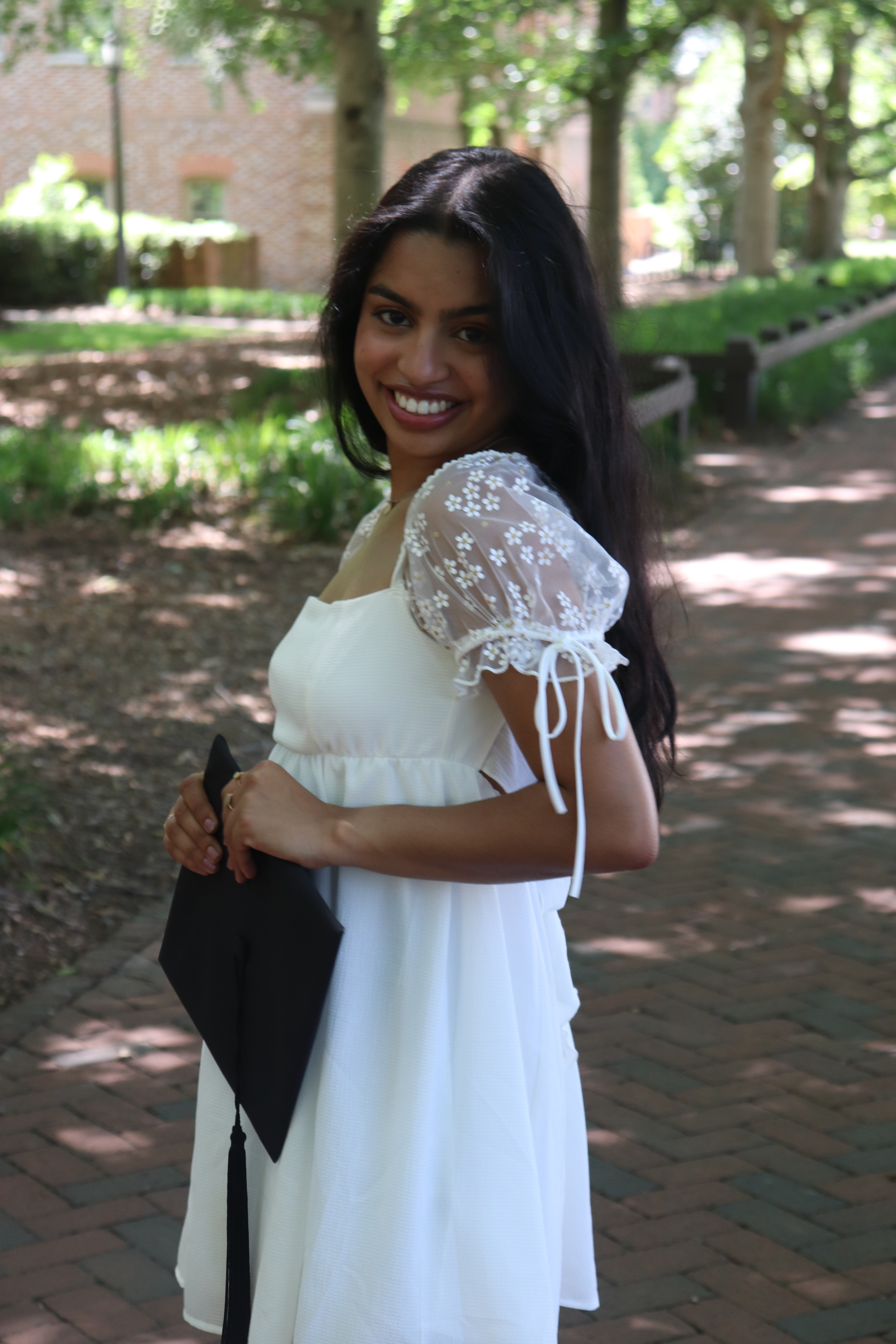
Navigating the intersections of artistry and administration, Rithika Ashok (Arad 25’’) brings a unique perspective to the world of arts leadership. As an interdisciplinary artist trained in Bharatanatyam for over 20 years, Rithika’s creative practice seamlessly blends Indian classical and folk dance forms like Bhangra, Garba, and Chau with contemporary movement vocabularies. Currently pursuing her MA in Arts Administration at Columbia University, Rithika draws on her lived experiences as a performer and her work at institutions like The Juilliard School and Dance/NYC to advocate for more equitable and accessible arts spaces. Her passion for fostering South Asian dance within NYC’s broader cultural landscape, combined with her growing expertise in art law and grantmaking, makes her a dynamic force shaping the future of arts administration.
Read our interview:
- What motivated you to pursue a MA in Arts Administration?
Prior to my time in the program, I worked full time at Juilliard in the Dance Division as Operations Assistant. That role was my first major introduction to the NYC arts scene and I had the opportunity to work with so many amazing magnates in the field which really inspired me to dive deeper into the arts administration world. I also worked directly under Alexandra Tweedley, an ARAD alumni, which helped me make the decision to attend this specific program and continue to deepen my knowledge of the NYC arts ecosystem as a whole. I am also a performer and from a family of artists, meaning art has always been an all-encompassing part of my life, and pursuing this MA has allowed me to find my specific niche that combines my artistic and academic pursuits into one channel!
- What were you surprised to learn or develop an interest in after starting the program?
I am really thankful that this program has guided me into the niche of arts administration I want to pursue, specifically art law. We had a Law and the Arts class in the fall which really inspired me to explore the option to pursue law school as a way for me to focus on IP law and contracts in the arts and entertainment sector, a relatively niche field which I wouldn’t have known about without this program. I also took a Contracts class and several Organizational Psychology courses on management/consulting topics, all of which have motivated me to specialize into the law field. My work in Grantmaking at Dance/NYC has also piqued my interest in regranting, specifically in private foundation work, as it’s a very rewarding role to directly impact artists in such a dramatic manner.
- Can you tell me about your IP project?
Continuing along the lines of my interest in art law, my IP is focused on creating equitable compensation contracts for Broadway performers that incorporates stock based compensation modeling. The arts industry heavily relies on project-based employment, yet traditional financial structures fail to provide long-term stability or wealth-building opportunities for artists. By analyzing SBC practices in business and technology, I examine how features like time- and performance-based vesting, change-in-control clauses, and post-termination rights can be adapted to the performing arts. This approach aims to give artists a stake in a production’s financial success, fostering greater job security and financial growth while recognizing their essential contributions to the industry. Ultimately, my IP aims to introduce specific legal clauses that can be applied to existing artist contracts that incorporate my research on this more equitable redistribution of wealth.
- What are your current job and responsibilities?
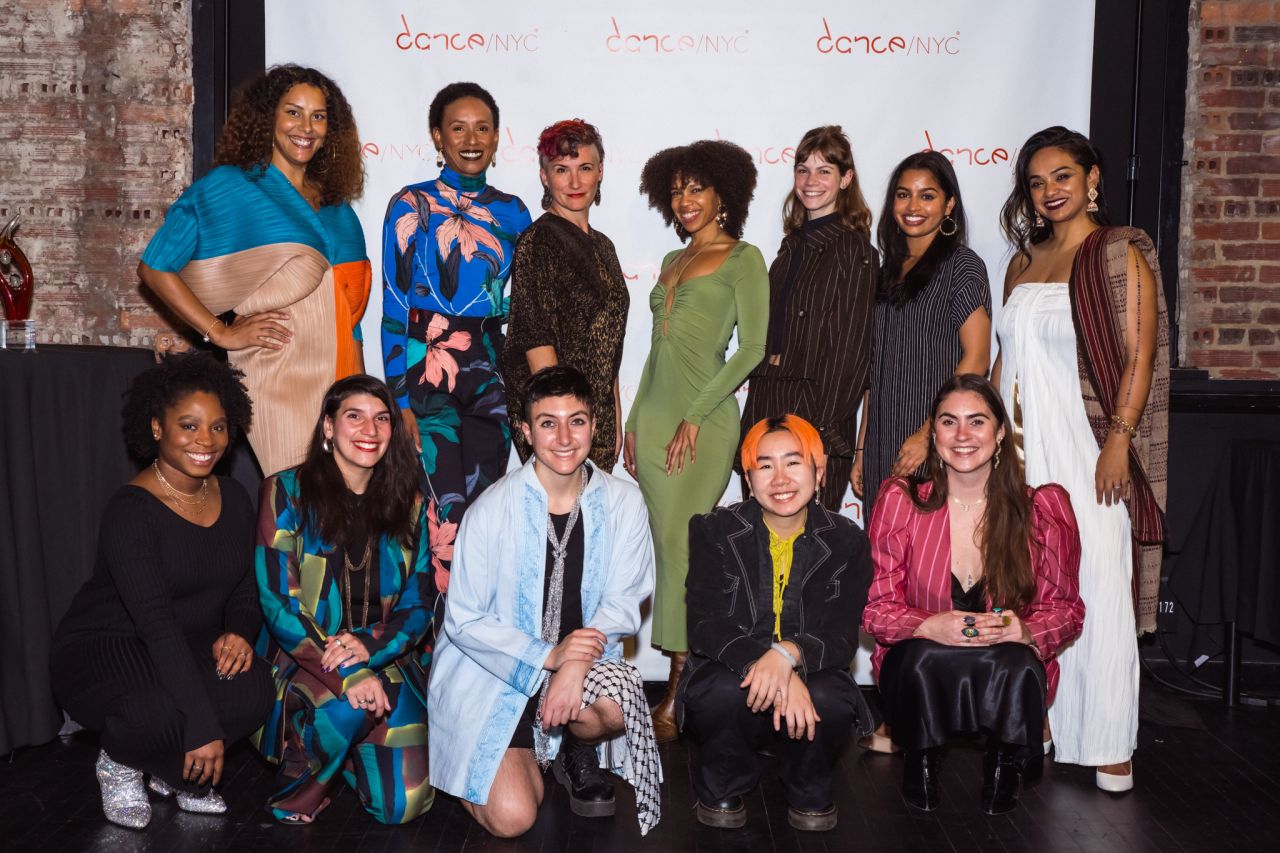
Right now, I work at Dance/NYC as Grantmaking Assistant. Since Dance/NYC is a nonprofit arts service organization, being part of the team has allowed me to broaden my skillset as it pertains to truly on-the-ground work with artists and broader efforts in research and advocacy within the field. My role in Grantmaking encompasses administrating the regranting efforts of the organization, specifically assisting with managing several regranting funds. The more day-to-day work involves conducting legal and financial due diligence when reviewing grantee reports, creating grant applications, assisting with funder reporting, and coordinating panelist recruitment for review processes. The big picture responsibilities involve ensuring multiple regranting funds run smoothly while disbursing funds to an artist base that is reflective of the organization’s values rooted in justice, equity and inclusion.


Leave a comment